


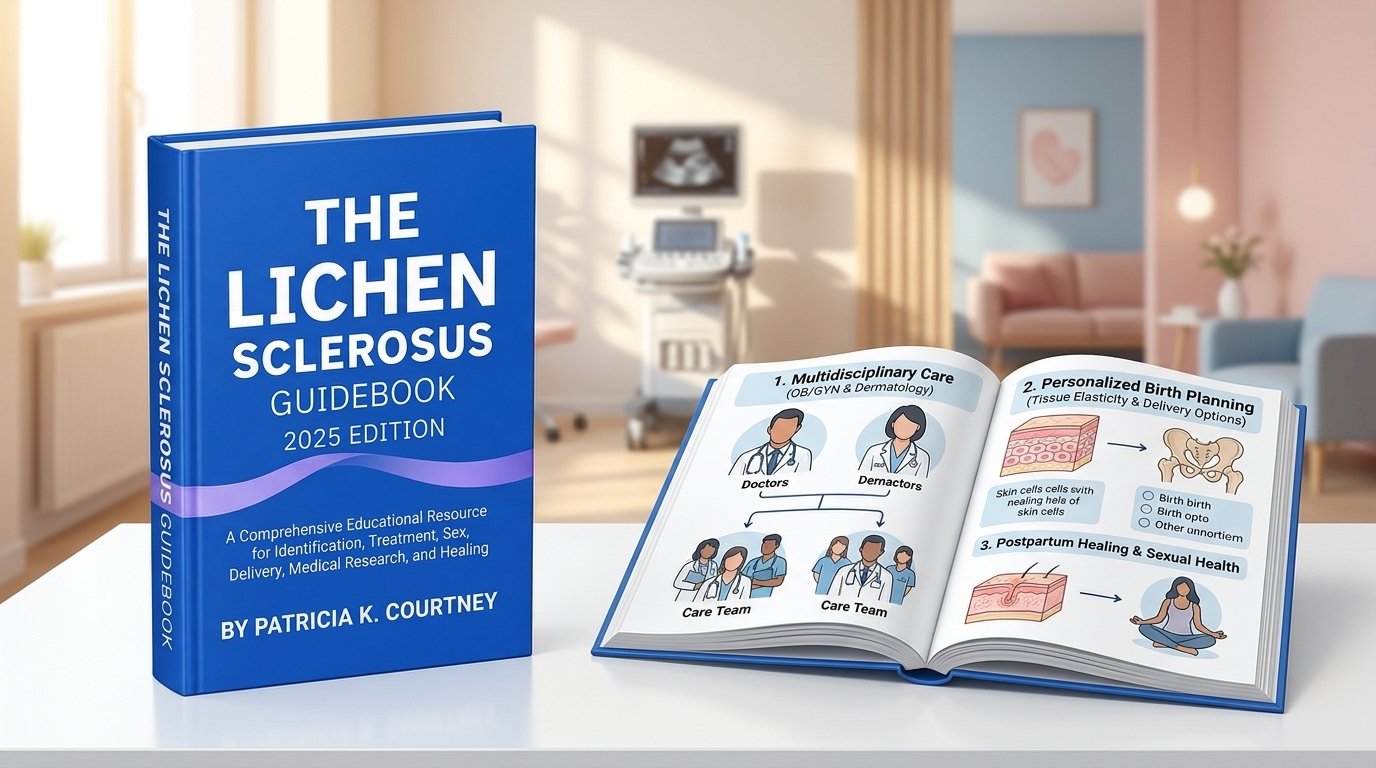
Planning Pregnancy, Managing LS, and Preparing for Birth
Having Lichen Sclerosus does not mean that pregnancy and childbirth are impossible.
However, pregnancy and delivery can raise important questions for people living with genital LS.
These may include:
- Can I become pregnant with LS?
- Will pregnancy make LS worse?
- Can I have a vaginal delivery?
- Does LS increase the risk of tearing?
- Should my treatment change during pregnancy?
- What should I know about postpartum care?
These questions should be discussed with the healthcare professionals involved in pregnancy and LS care.
Planning a Pregnancy With Lichen Sclerosus
If you have Lichen Sclerosus and are considering pregnancy, it can be helpful to discuss your condition with your healthcare team before conception.
Your care may involve coordination between professionals such as:
- Obstetricians
- Gynecologists
- Dermatologists
- Midwives
- Other relevant specialists
The goal is to understand your current disease activity, treatment plan, symptoms and any existing scarring or structural changes.
Can Lichen Sclerosus Affect Pregnancy?
Lichen Sclerosus primarily affects the skin and does not automatically prevent pregnancy.
However, symptoms and genital structural changes may influence comfort and sexual activity.
Pregnancy can also create concerns about treatment safety and delivery planning.
These issues need to be considered individually.
Lichen Sclerosus Treatment During Pregnancy
Do not stop prescribed treatment simply because you become pregnant without first speaking with your healthcare professional.
Medication decisions during pregnancy should consider:
- The specific medication
- Dose
- Route of administration
- Extent of disease
- Pregnancy stage
- Potential benefits and risks
Your healthcare team can determine the most appropriate approach.
Preparing for Delivery With Lichen Sclerosus
One of the most common concerns among pregnant people with vulvar LS is whether the condition affects the method of delivery.
The answer is not necessarily the same for everyone.
A history of LS alone does not automatically determine whether a cesarean delivery or vaginal delivery is required.
Instead, delivery planning should consider the individual’s disease severity, anatomy, scarring, symptoms, obstetric circumstances and preferences.
Research into pregnancy and LS has highlighted the importance of better information and individualized obstetric care.
Vaginal Delivery With Vulvar Lichen Sclerosus
Many people with LS may be able to have a vaginal delivery.
However, active disease, significant scarring or structural changes may require additional discussion with the obstetric team.
The condition of the vulvar and perineal tissue should be considered when planning delivery.
Postpartum Care and Lichen Sclerosus Symptoms
The postpartum period can involve physical changes, hormonal changes, fatigue and recovery from childbirth.
For someone with LS, postpartum care may also include monitoring:
- Vulvar symptoms
- Skin irritation
- Fissures or tears
- Scarring
- Pain
- Sexual discomfort
- Disease activity
Follow-up should be individualized.
Sexual Health After Delivery
Returning to sexual activity after childbirth should be based on physical recovery, comfort and medical advice.
For someone with LS, additional factors may include:
- Existing vulvar symptoms
- Postpartum tissue healing
- Scarring
- Vaginal or vulvar pain
- Dryness
- Fear of pain
If sexual activity remains painful, speak with your healthcare professional rather than simply pushing through the discomfort.
Lichen Sclerosus Symptoms and Emotional Wellbeing During Pregnancy
Pregnancy can already involve significant emotional changes.
Living with a chronic condition may add additional anxiety, particularly when concerns about childbirth, symptoms or treatment arise.
Research shows that LS can affect psychological wellbeing and quality of life, making communication and appropriate support important components of care.
A Personalized Birth Plan
A useful approach is to discuss your LS history with your maternity team before delivery.
Questions you may want to ask include:
- How active is my LS?
- Are there areas of scarring?
- Could my LS affect delivery?
- Should my treatment continue during pregnancy?
- What should I expect during postpartum recovery?
- When should I return for LS follow-up?
Important
Pregnancy and childbirth decisions should always be individualized.
This page provides educational information and should not replace advice from your obstetrician, gynecologist, dermatologist, midwife or other qualified healthcare professional.