


Receiving a diagnosis of Lichen Sclerosus (LS) can be confusing, frightening, and emotionally overwhelming. You may have questions about what caused the condition, whether it can be cured, what treatment options are available, and how it might affect your relationships, sexual health, and everyday life.
You may also wonder: Will I have to live with this condition forever? Can I prevent it from getting worse? Where can I find reliable information?
The good news is that understanding Lichen Sclerosus is an important first step toward managing it. Although LS is a chronic inflammatory skin condition, appropriate medical treatment, regular follow-up, and informed self-care can help many people control their symptoms and maintain their quality of life.
Whether you are a woman, man, or parent seeking information for a child, this guide explains 10 important things to understand after an LS diagnosis.
1. What Is Lichen Sclerosus?
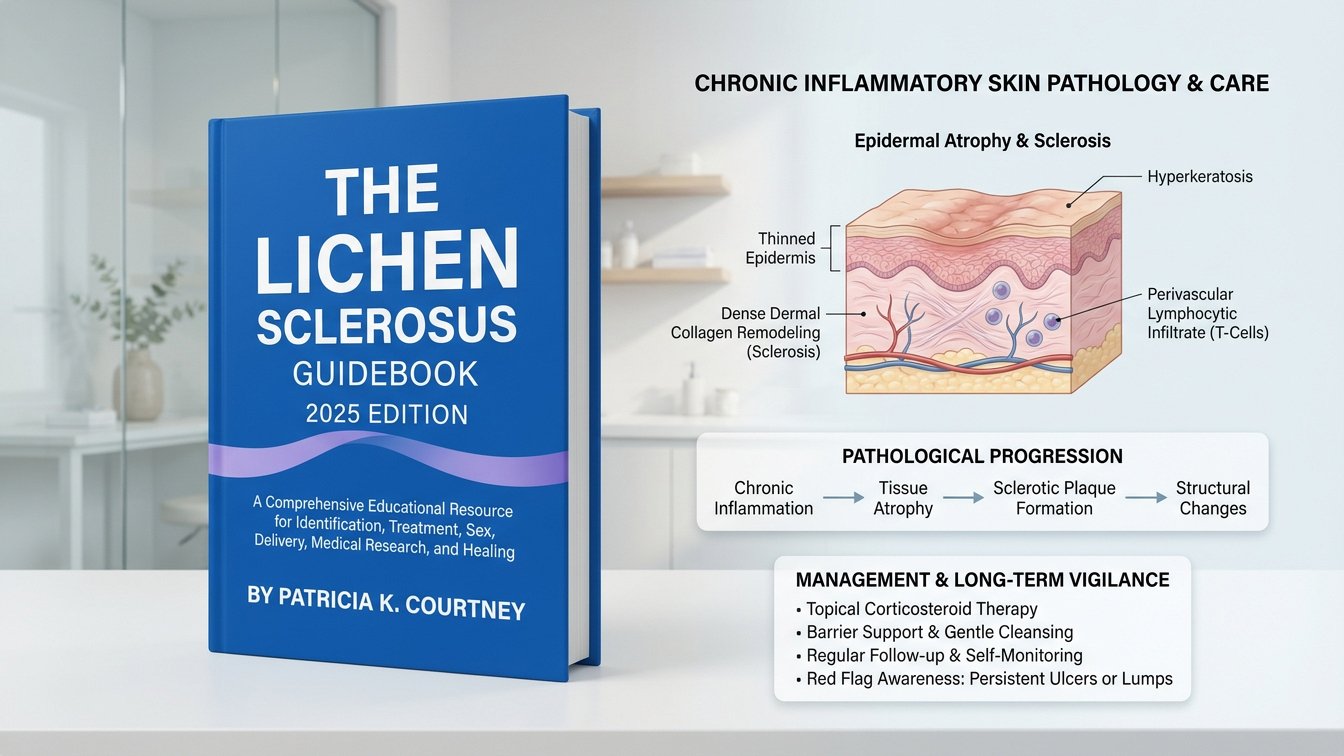
Lichen Sclerosus is a chronic inflammatory skin condition that most commonly affects the genital and anal areas, although it can also develop on other parts of the body.
It can affect people of any age and sex. The condition is not contagious and cannot be transmitted through sexual contact.
LS may cause changes in the affected skin, including:
- White or pale patches.
- Itching, irritation, or burning.
- Skin fragility and small tears.
- Pain or discomfort.
- Scarring and changes in normal skin structure.
The exact cause of Lichen Sclerosus is not fully understood. Research suggests that immune-system factors and genetic susceptibility may contribute to its development.
Understanding the condition is essential because early recognition and appropriate treatment can help reduce inflammation and the risk of progressive scarring.
2. What Are the Common Symptoms of Lichen Sclerosus?
Symptoms can differ considerably from one person to another. Some people experience significant discomfort, while others have few noticeable symptoms.
Common symptoms include:
- Persistent genital or anal itching.
- White, shiny, or pale patches of skin.
- Burning or soreness.
- Pain during sexual activity.
- Small cracks, fissures, or bleeding.
- Discomfort during urination or bowel movements.
- Changes in the appearance or structure of affected skin.
In women, LS frequently affects the vulvar and perianal areas.
In men, it commonly affects the foreskin and glans of the penis and may sometimes contribute to tightness of the foreskin (phimosis).
Children can also develop Lichen Sclerosus, so persistent genital or perianal symptoms should receive appropriate medical assessment.
Important: Not everyone experiences the same symptoms. Persistent, unusual, or changing skin symptoms should be evaluated by a qualified healthcare professional.
3. How Is Lichen Sclerosus Diagnosed?
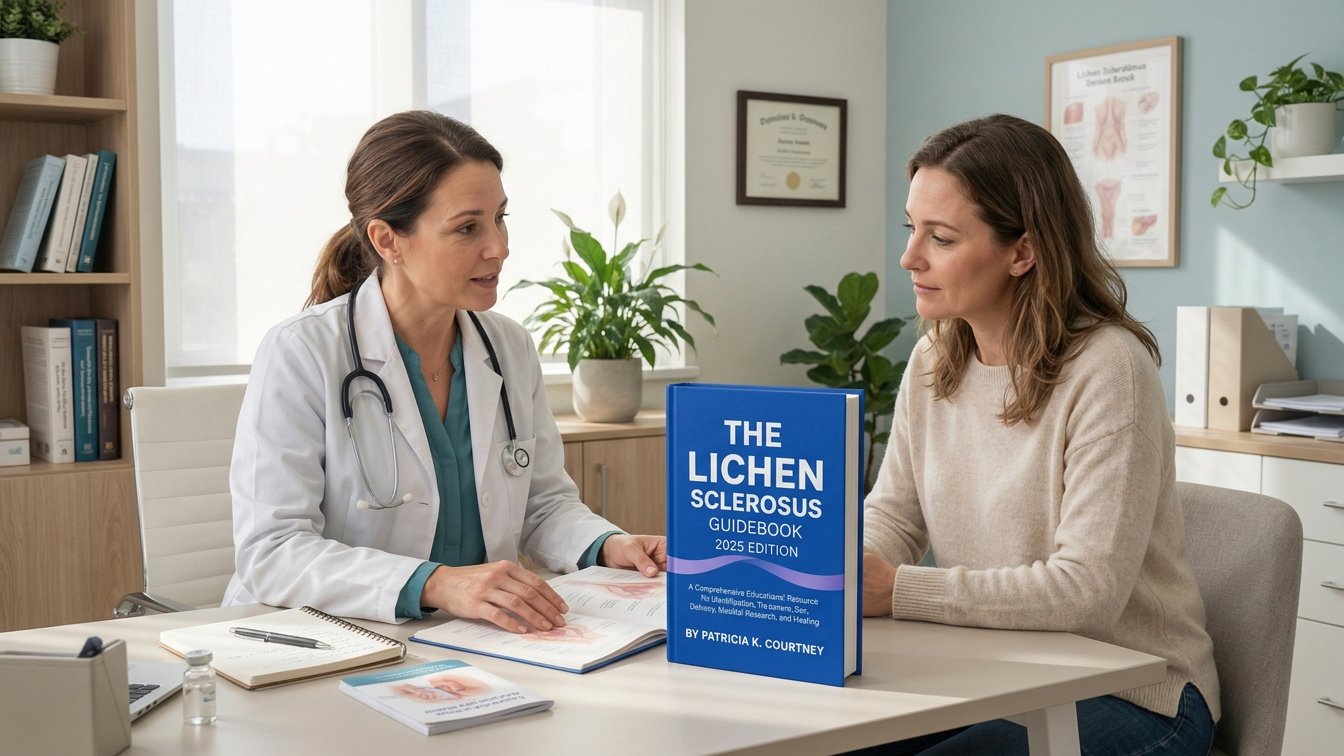
Getting an accurate diagnosis is an important step toward appropriate treatment.
A healthcare professional, often a dermatologist, gynecologist, urologist, or another clinician experienced in LS, may diagnose the condition by examining the affected skin and reviewing the patient’s medical history.
Depending on the presentation, the diagnostic process may include:
- Reviewing symptoms and their duration.
- Examining the affected skin.
- Assessing changes in skin structure.
- Considering other conditions that may look similar.
- Performing a skin biopsy when clinically indicated.
A biopsy is not necessary in every typical case. However, it may be recommended when the diagnosis is uncertain, treatment is not working as expected, or a suspicious skin change needs investigation.
Early medical evaluation can help prevent unnecessary delays in diagnosis and treatment.
4. Can Lichen Sclerosus Be Cured?
One of the most frequently asked questions is whether Lichen Sclerosus can be permanently cured.
Currently, there is no established universal cure for LS. However, the condition can often be managed effectively with appropriate medical treatment and ongoing monitoring.
Treatment aims to:
- Reduce inflammation.
- Relieve itching, pain, and irritation.
- Control active disease.
- Help prevent further scarring and structural changes.
- Maintain skin function and quality of life.
Some patients achieve long periods of good disease control. However, symptoms may return, and continued follow-up may be necessary even when the skin appears better.
Understanding the difference between symptom relief and long-term disease management is particularly important.
5. What Are the Current Treatment Options for Lichen Sclerosus?
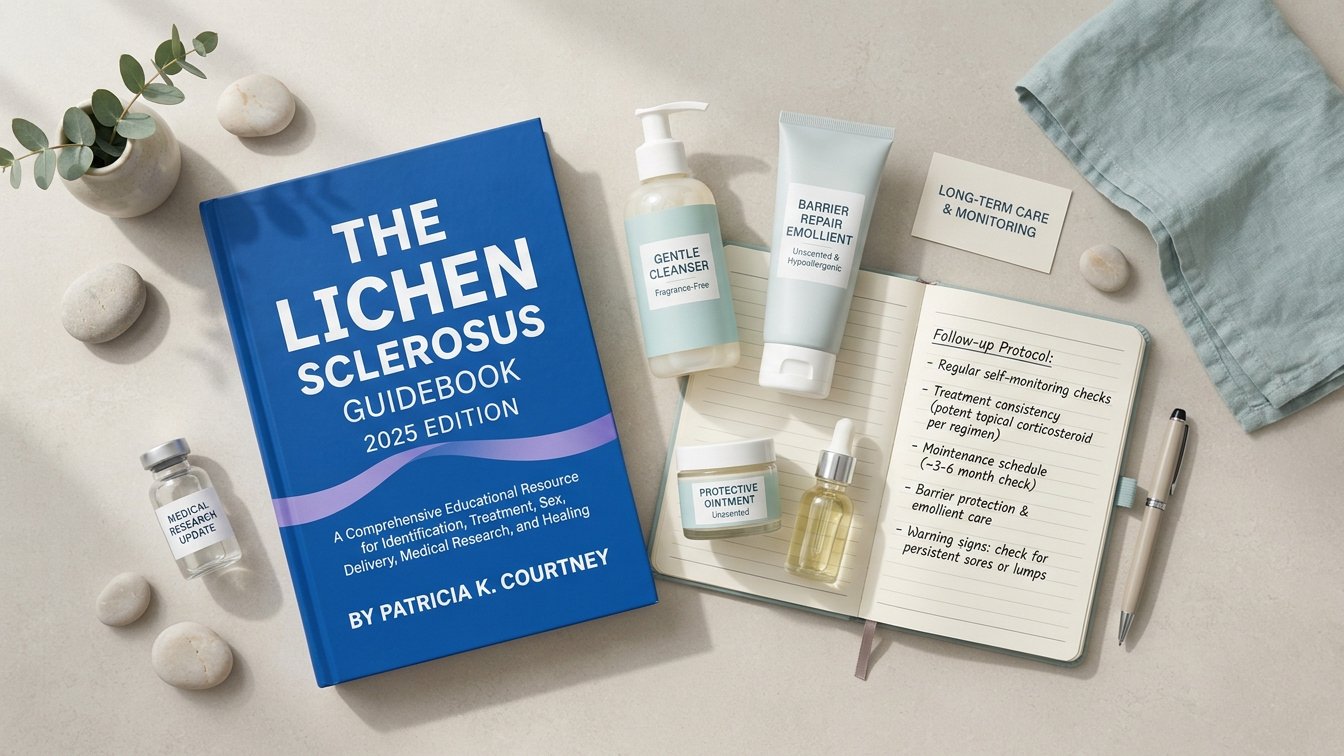
Treatment depends on the affected area, severity, age, individual circumstances, and clinical assessment.
According to the 2026 evidence- and consensus-based guideline on Lichen Sclerosus, potent or ultrapotent topical corticosteroids remain the standard first-line treatment for genital LS.
Clobetasol propionate 0.05% is one commonly recommended medication.
Other aspects of management may include:
- Appropriate emollients and skin protection.
- Avoiding irritating or fragranced products.
- Individualized maintenance treatment.
- Specialist assessment when symptoms do not respond adequately.
- Additional treatment for complications when necessary.
Topical calcineurin inhibitors may be considered as second-line options in selected circumstances.
Not every treatment discussed online has the same level of scientific evidence. Emerging therapies and alternative approaches should be evaluated carefully with a qualified healthcare professional.
Never start, stop, or change prescribed treatment without discussing it with your clinician.
6. Does Lichen Sclerosus Affect Men and Women Differently?
Yes. Although Lichen Sclerosus can affect both men and women, its presentation and complications may differ.
Lichen Sclerosus in Women
Female genital LS commonly affects the vulva and surrounding perianal skin.
Possible symptoms include:
- Persistent vulvar itching.
- Burning and irritation.
- Pain during intercourse.
- Skin fissures.
- Changes in vulvar anatomy.
- Scarring or narrowing of the vaginal opening.
Lichen Sclerosus in Men
Male genital LS commonly affects the foreskin and glans.
Possible symptoms include:
- White or pale skin patches.
- Tightening of the foreskin.
- Pain during sexual activity.
- Cracking or irritation.
- Difficulty retracting the foreskin.
- Urinary difficulties in some cases.
Both men and women benefit from early diagnosis, appropriate treatment, and regular medical follow-up.
7. Can Lichen Sclerosus Affect Sexual Health and Relationships?
Lichen Sclerosus can affect more than the skin. For some people, it can also influence intimacy, confidence, emotional wellbeing, and relationships.
Pain, irritation, skin sensitivity, and changes in genital anatomy may make sexual activity uncomfortable.
Some individuals may also experience:
- Anxiety about intimacy.
- Reduced sexual confidence.
- Fear of pain during intercourse.
- Difficulty discussing symptoms with a partner.
- Emotional stress or frustration.
Open communication with a partner and healthcare professional can make a meaningful difference.
Depending on individual needs, support from a sexual-health specialist, pelvic-floor physiotherapist, or mental-health professional may also be helpful.
Sexual health is an important part of overall wellbeing and should not be overlooked when discussing LS management.
8. What Should You Know About Long-Term Management?
Lichen Sclerosus requires more than treating symptoms when they appear.
Long-term management generally involves a combination of prescribed treatment, skin care, symptom awareness, and regular clinical follow-up.
Important considerations include:
Follow your prescribed treatment plan.
Using medication as directed by your healthcare professional is important for controlling inflammation.
Attend regular follow-up appointments.
The 2026 clinical guideline recommends regular examinations, initially at intervals such as every 3–6 months and, once the condition is stable, approximately every 12 months. Your clinician may recommend a different schedule depending on your circumstances.
Monitor changes in the affected skin.
Report persistent ulcers, bleeding, new lumps, thickened areas, or other unusual changes promptly.
Protect sensitive skin.
Avoid products that irritate the affected area and discuss suitable skin-care products with your healthcare professional.
Keep informed.
Medical knowledge and treatment recommendations continue to evolve. Reliable, current educational resources can help you prepare questions and participate more confidently in medical appointments.
9. Can Lichen Sclerosus Increase the Risk of Skin Cancer?
This is an important question that deserves an accurate and balanced answer.
Genital Lichen Sclerosus is associated with an increased risk of squamous cell carcinoma in the affected area. However, most people with LS do not develop cancer.
Appropriate treatment and ongoing monitoring are important parts of risk management.
Seek prompt medical assessment if you notice:
- A persistent ulcer or sore.
- An unexplained lump.
- A thickened area of skin.
- Persistent bleeding.
- A new or changing lesion.
These changes do not automatically mean cancer is present, but they should not be ignored.
Regular follow-up helps healthcare professionals assess the condition and investigate concerning changes when necessary.
10. Where Can You Find Reliable Information About Living With Lichen Sclerosus?
A diagnosis often leads to more questions than answers.
You may want to understand the condition’s causes, symptoms, diagnosis, treatment, research developments, sexual-health implications, and long-term management.
However, information about LS is scattered across medical websites, research papers, patient forums, and personal experiences.
A well-organized educational resource can make it easier to understand these different aspects of the condition.
Discover The Lichen Sclerosus Guidebook
If you or someone you care about has been diagnosed with Lichen Sclerosus, The Lichen Sclerosus Guidebook by Patricia K. Courtney is an educational resource designed to explore the condition from multiple perspectives.
The guidebook covers topics including:
- Understanding Lichen Sclerosus and its possible causes.
- Recognizing symptoms and understanding diagnosis.
- Exploring conventional treatment and medical research.
- Understanding considerations for both men and women.
- Sexual health, intimacy, and relationships.
- Pregnancy and delivery considerations.
- Long-term management and emotional wellbeing.
- Healing, support, and living with LS.
Rather than focusing on only one aspect of the condition, the book brings together information about diagnosis, treatment, research, and the broader experiences of living with Lichen Sclerosus.
Whether you are newly diagnosed, supporting a family member, or looking to expand your understanding of LS, the guidebook offers a starting point for further learning and informed conversations with healthcare professionals.
Knowledge can help you feel more prepared, ask better questions, and take a more active role in your healthcare journey.
Explore The Lichen Sclerosus Guidebook
Learn more about the book, its author, and the topics covered.
Visit the official website: https://lichensclerosusguidebook.com/
Start learning. Stay informed. Take an active role in your journey with Lichen Sclerosus.
Frequently Asked Questions About Lichen Sclerosus
Is Lichen Sclerosus a lifelong condition?
Lichen Sclerosus is generally considered a chronic condition. Although symptoms may improve significantly with treatment, ongoing monitoring may be necessary.
Is Lichen Sclerosus contagious?
No. Lichen Sclerosus is not contagious and cannot be passed from one person to another through sexual contact.
Can men get Lichen Sclerosus?
Yes. Men can develop LS, particularly on the foreskin and glans of the penis. Medical evaluation and appropriate treatment are important.
Can Lichen Sclerosus affect pregnancy?
LS does not automatically prevent pregnancy. However, pregnancy and delivery considerations should be discussed with an obstetrician or other qualified healthcare professional familiar with the patient’s condition.
Does Lichen Sclerosus always cause itching?
No. Itching is common, but some people experience burning, soreness, skin changes, or no noticeable symptoms.
What is the most effective treatment for Lichen Sclerosus?
Potent or ultrapotent topical corticosteroids are the established first-line treatment for genital LS. Treatment should be prescribed and monitored by a qualified healthcare professional.
Can Lichen Sclerosus return after treatment?
Yes. Symptoms and disease activity can recur. Regular follow-up and an individualized management plan are important.
Where can I learn more about Lichen Sclerosus?
You can explore reputable medical resources, current clinical guidelines, and educational materials such as The Lichen Sclerosus Guidebook by Patricia K. Courtney.
Medical Disclaimer
This article is intended for educational and informational purposes only. It does not provide medical advice, diagnosis, or treatment recommendations for individual patients. Lichen Sclerosus should be assessed and managed by a qualified healthcare professional. Always consult your clinician regarding symptoms, medications, treatment decisions, and follow-up care.
Medical References and Further Reading
- Kirtschig G, et al. (2026). Evidence- and consensus-based guideline on lichen sclerosus. Journal der Deutschen Dermatologischen Gesellschaft. https://doi.org/10.1111/ddg.70000
- EuroGuiDerm. Guideline on Lichen Sclerosus. https://doi.org/10.1111/jdv.20082
- British Association of Dermatologists. Lichen Sclerosus in Females – Patient Information Leaflet (2026). https://www.bad.org.uk/pils/lichen-sclerosus-in-females
- British Association of Dermatologists. Guidelines for the Management of Lichen Sclerosus. https://doi.org/10.1111/bjd.16241
About the Guidebook: The Lichen Sclerosus Guidebook by Patricia K. Courtney, published by IPOM Industries.
Leave a Reply